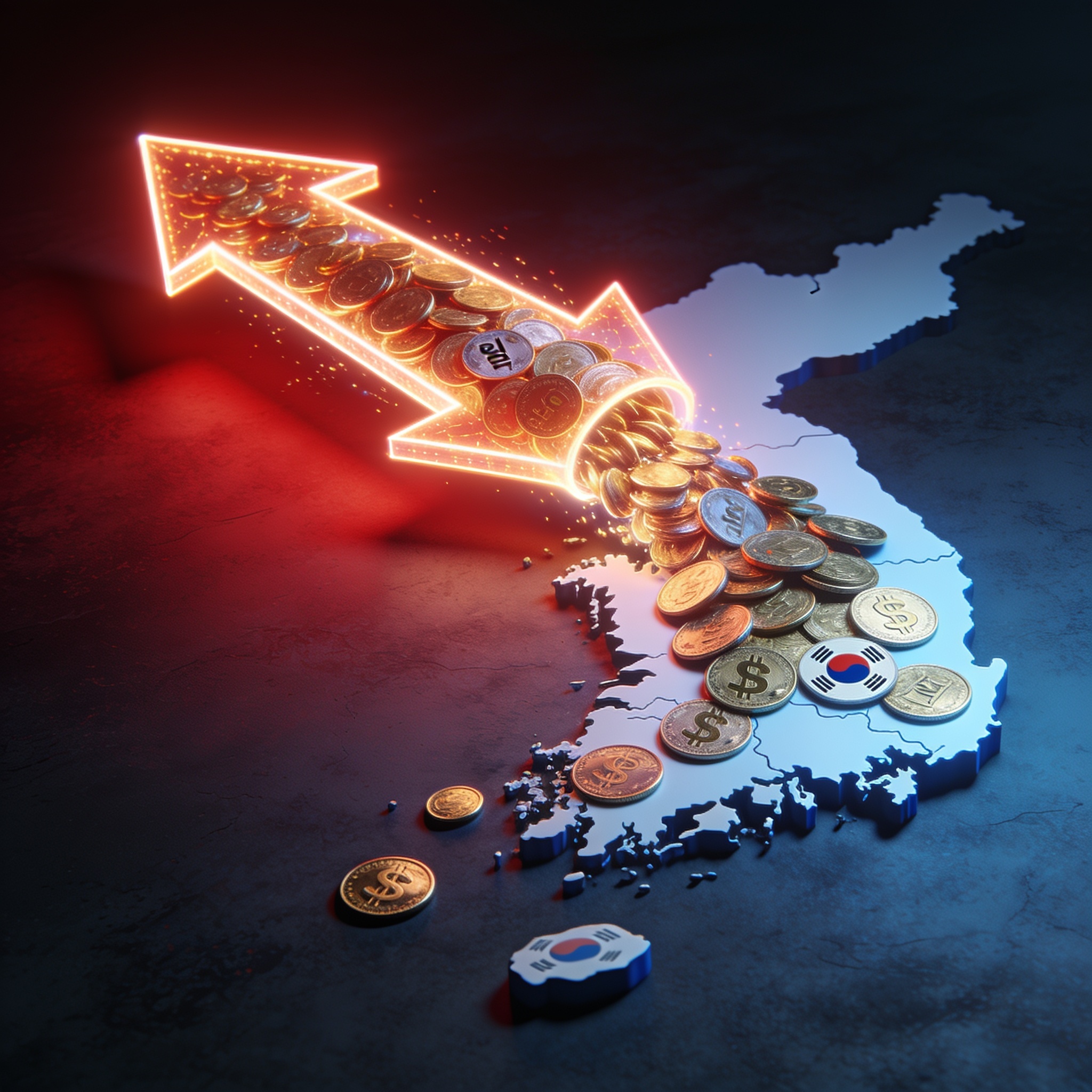
As National Currencies Falter, Stablecoins Emerge as the New Anchor
From Argentina to Turkey, crypto users are turning to dollar-pegged tokens to preserve purchasing power.

When the local currency collapses, the first instinct is to flee to the dollar. But in many corners of the world, physical greenbacks are hard to come by or heavily restricted. Increasingly, a digital alternative is filling the gap: stablecoins.
The Flight to Stability
In countries grappling with hyperinflation, capital controls, or banking crises, stablecoins have become a lifeline. Unlike volatile cryptocurrencies such as Bitcoin, these tokens are designed to maintain a fixed value against a fiat currency, most often the US dollar. That stability makes them a practical store of value and medium of exchange when the national currency is in freefall.
Consider the case of Argentina, where annual inflation recently topped 100%. Citizens have long used dollars as a hedge, but strict currency controls make it difficult to obtain them legally. Stablecoins like USDT and USDC can be bought with local pesos on peer-to-peer exchanges and held in any wallet, bypassing banks and government restrictions.
“Stablecoins are the digital dollar for the unbanked and the under-banked,” says a Latin American crypto analyst. “They offer the same reliability as a US bank deposit, without needing a bank account.”
Why Users Are Switching
- Accessibility: Anyone with a smartphone and internet connection can acquire stablecoins, even in regions with limited banking infrastructure.
- Speed: Transfers settle in minutes, compared to days for international wire transfers.
- Resilience: Stablecoins are not subject to local bank runs or capital controls.
The trend is not limited to Latin America. In Turkey, where the lira has lost half its value in five years, stablecoin trading volumes have surged. Similar patterns are emerging in Nigeria, Lebanon, and Zimbabwe. While regulators in some countries have pushed back, the underlying demand for a reliable digital dollar shows no sign of abating.