
Bitcoin Miners Bet Big on Texas Grid as Land Rush Accelerates
Major mining firms are snapping up Texas land to anchor operations in the state's deregulated energy market.
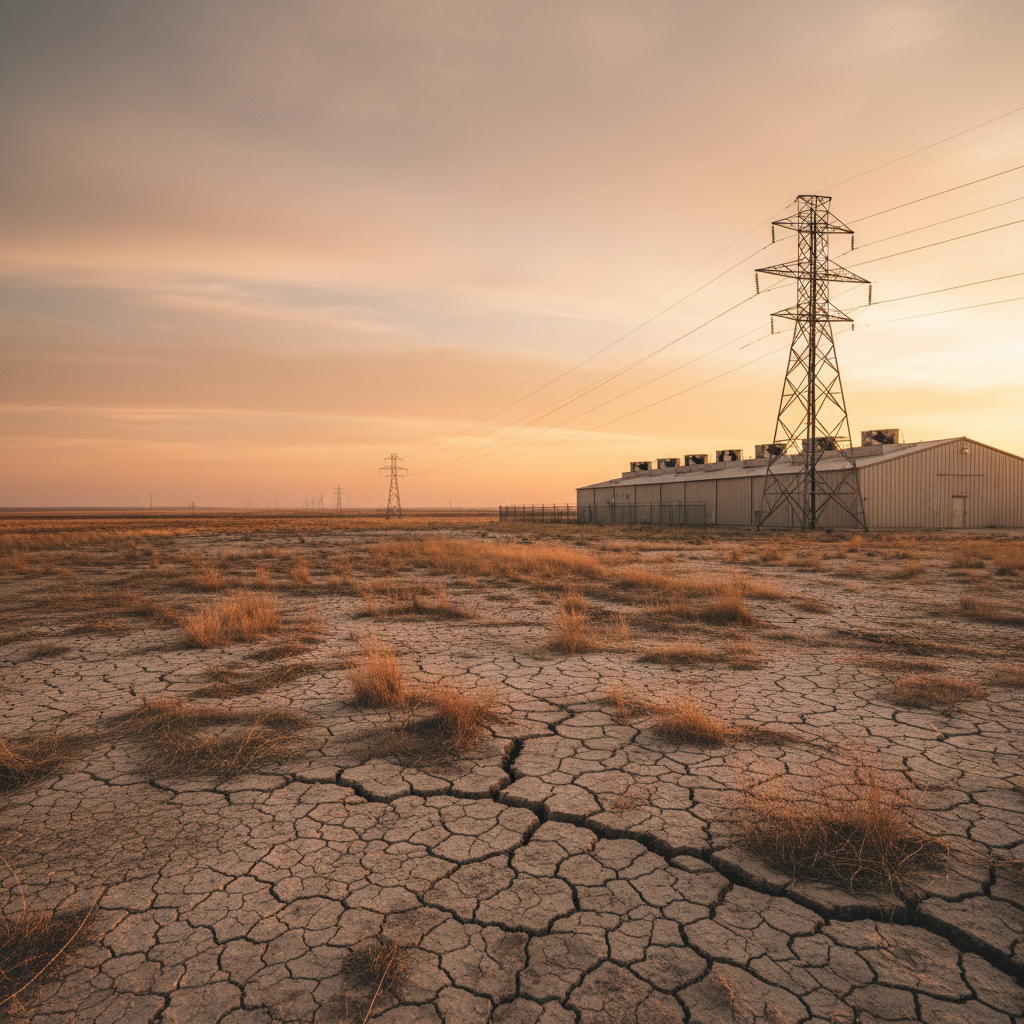
Publicly traded Bitcoin miners including Galaxy and MARA Holdings are quietly assembling large parcels of land across West Texas, signaling a long-term bet that the region's unique energy infrastructure will remain a global hub for proof-of-work mining. The acquisitions come as the industry shifts from nomadic shutdowns to permanent, grid-integrated facilities.
Why Texas?
Texas's deregulated power grid allows miners to act as flexible, interruptible load—earning credits for powering down during peak demand. This arbitrage, combined with abundant wind and solar generation, gives miners access to some of the cheapest wholesale electricity in the United States.
The land purchases are not merely for locating rigs. Companies are buying enough acreage to host future expansions, battery storage, and even on-site renewable generation. A single data-center campus can now span hundreds of acres and draw 200 megawatts or more from the Electric Reliability Council of Texas (ERCOT) network.
"The real asset here isn't the ASICs—it's the interconnection agreement and the dirt underneath them," noted one industry analyst.
Competition for Permits
Demand for land with available grid interconnection capacity has driven prices higher in counties like Reeves and Culberson. While the pace of new hookups has slowed due to permitting bottlenecks, the largest public miners are stockpiling sites to preempt smaller competitors.
- Galaxy recently secured a 200-acre tract near Odessa, expanding its existing Helios complex.
- MARA Holdings quietly closed on multiple contiguous parcels near McCamey, totaling over 600 acres.
- Both firms are integrating load-balancing software to participate in ERCOT's ancillary services market.
This land-based strategy carries risks. A sustained drop in Bitcoin's price could render these investments uneconomical, and regulators are increasingly scrutinizing the power demands of large-scale mining. For now, however, the bet on Texas remains the industry's most visible wager on Bitcoin's long-term viability.