
Local Tennessee Law Takes Aim at Digital Mining Operations, Citing Grid Stability Fears
Tennessee county enacts ban on new crypto mining projects over energy concerns, sparking debate on local control vs. industry growth.
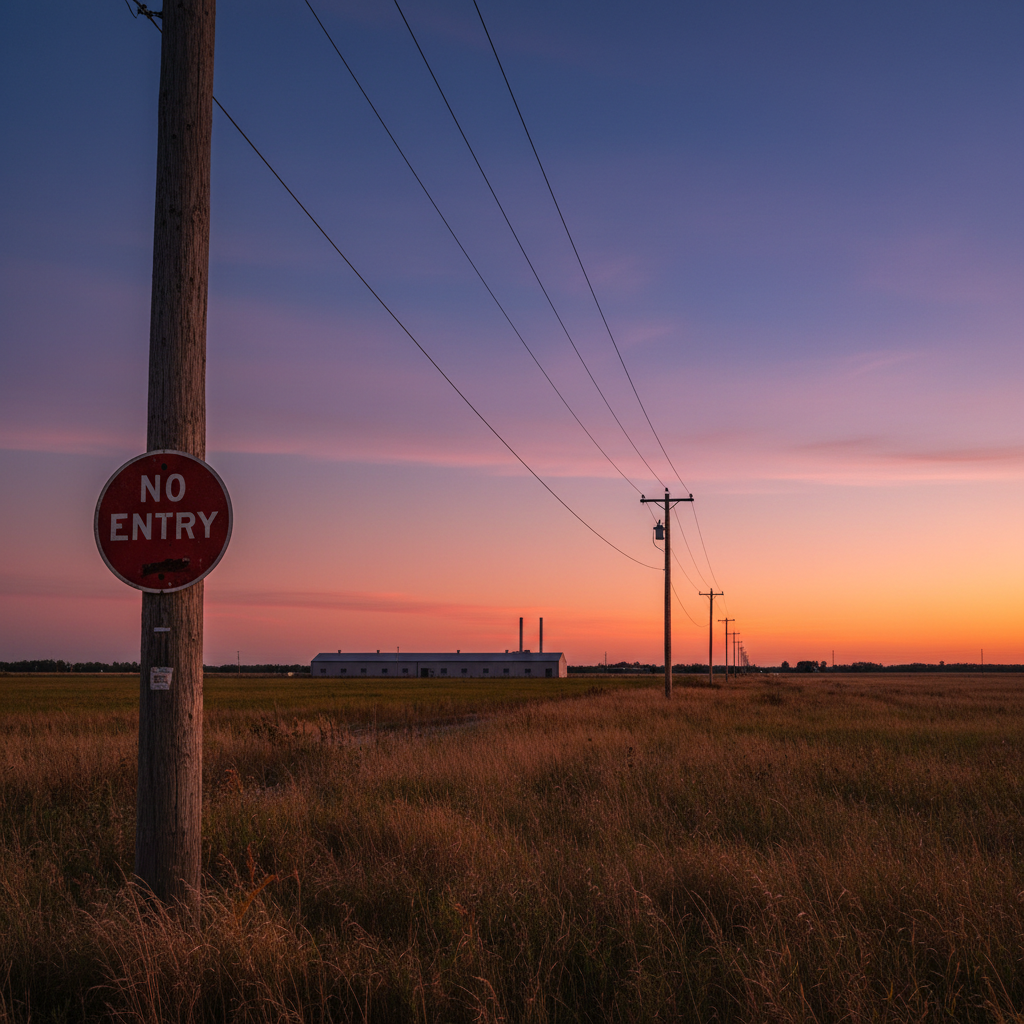
Residents in a rural Tennessee county will see no new cryptocurrency mining farms after local commissioners passed an ordinance prohibiting the establishment or expansion of digital asset mining operations. The decision, which passed by a narrow margin, reflects growing tensions between the promise of economic development and the strain high-energy industrial activities place on aging power infrastructure.
Power Grid at the Center of Debate
Commissioners cited repeated warnings from the local electric cooperative, which reported that a single large-scale mining facility could consume as much electricity as several thousand homes. “We’re not against technology, but we cannot risk brownouts during peak summer months,” said one commissioner during the hearing. The ban covers all new permits for operations that use specialized hardware to validate blockchain transactions, effectively freezing any future mining-specific development within county lines.
The move adds to a patchwork of local restrictions across the state. While the state capitol in Nashville has taken a hands-off approach, individual counties are increasingly deciding for themselves. Supporters of the ban argue that the noise and heat generated by mining rigs also create quality-of-life issues, while opponents say the ordinance stifles innovation and sends a hostile signal to clean-energy investors.
What This Means for the Industry
Industry advocates warn that such piecemeal regulations could push mining operations to less populated areas with weaker environmental oversight. “A county-by-county ban campaign creates unpredictability that harms long-term capital investment,” said a policy analyst at the Blockchain Association. For now, existing mining facilities in the county are grandfathered in and can continue operating, but will be unable to expand.
- Immediate effect: No new mining permits will be issued.
- Grandfather clause: Existing operations may continue but cannot increase capacity.
- Future outlook: Mining firms may now look to neighboring counties or states with more permissive rules.
As digital currencies remain volatile, the local action underscores a broader national question: who gets to decide the environmental and infrastructure costs of the crypto economy? For now, this Tennessee county has made its choice clear.