Moscow's Mining Moratorium: Russia Tightens Grip on Crypto Amid Energy Crisis
Russia extends its ban on cryptocurrency mining to the capital region, signaling a broader regulatory crackdown lasting until 2032.
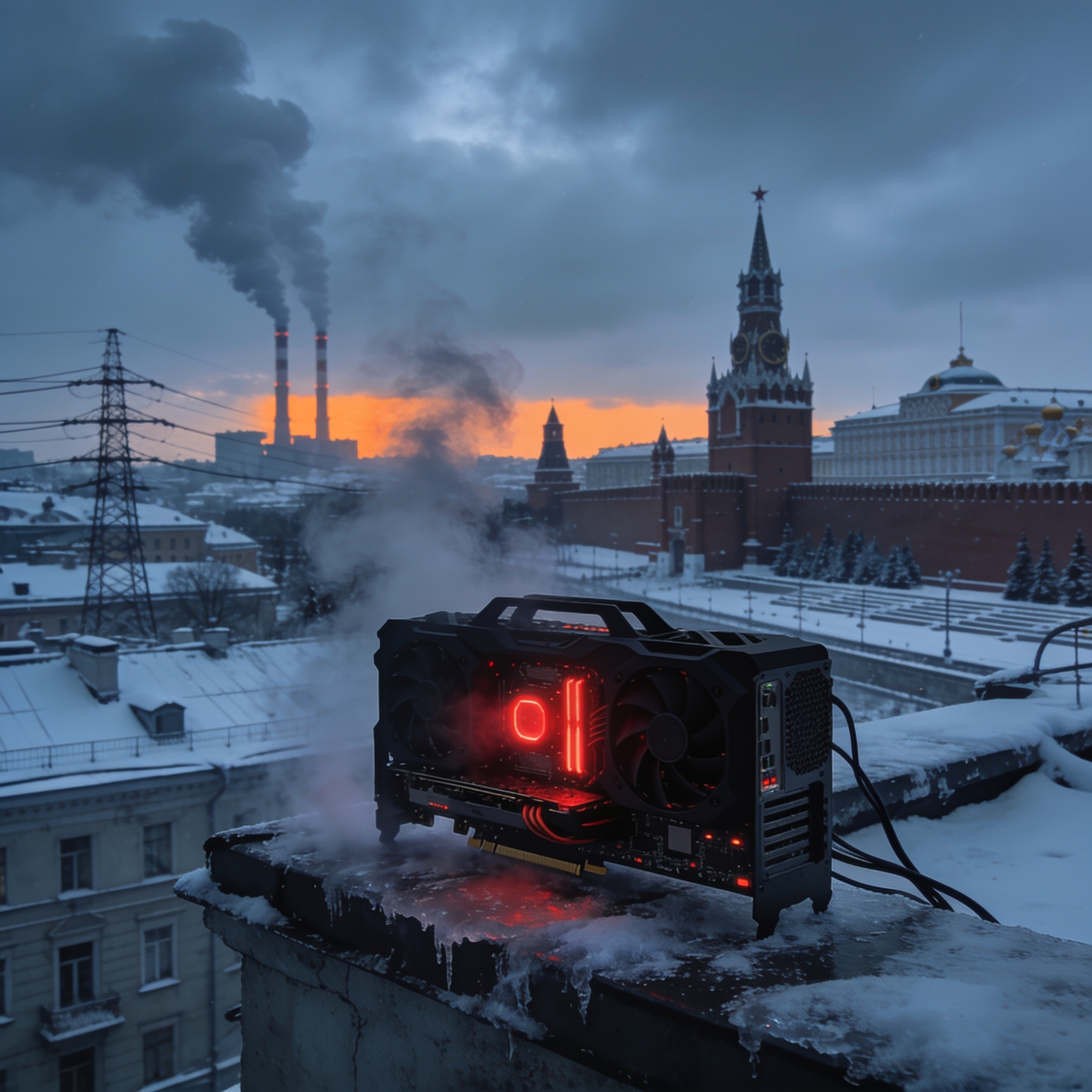
The Russian government has quietly expanded its ban on cryptocurrency mining to include the Moscow region, a move that industry insiders say reshapes the country's digital asset landscape. The prohibition, now extended through 2032, targets both industrial-scale operations and smaller home setups, citing energy security concerns as winter demand strains the national grid.
Why Moscow Now?
For years, Russia's mining industry flourished in Siberia and other energy-rich areas, but the capital's consumption of subsidized electricity drew scrutiny. According to local energy reports, illegal mining in Moscow has surged by 40% since 2023, forcing regulators to intervene. The ban covers the city and its surrounding oblast, effectively shutting down a key hub for miners who relied on Moscow's relative anonymity and infrastructure.
Key provisions of the expanded ban include:
- Complete prohibition of crypto mining in Moscow city and Moscow Oblast
- Seizure of equipment found operating after the enforcement date
- Fines for landlords renting spaces to mining operations
The move aligns with President Putin's broader push to nationalize the energy sector and prioritize industrial needs. Critics argue the ban will push miners further underground, but the government insists it is necessary to avoid blackouts.
“This is not about killing crypto, it's about protecting the grid. We cannot have unregulated power consumption in a region that already faces shortages,” said a spokesperson for the Ministry of Energy, speaking on condition of anonymity.
With the ban now locked in until 2032, Russian miners are scrambling to relocate to approved zones like Irkutsk or Krasnoyarsk, where electricity is cheaper and regulations are looser. The long timeline suggests Moscow sees crypto mining as a long-term threat, not a temporary nuisance. For the global market, the decision could further centralize hashrate in friendly jurisdictions, altering the geographic distribution of Bitcoin mining power.